
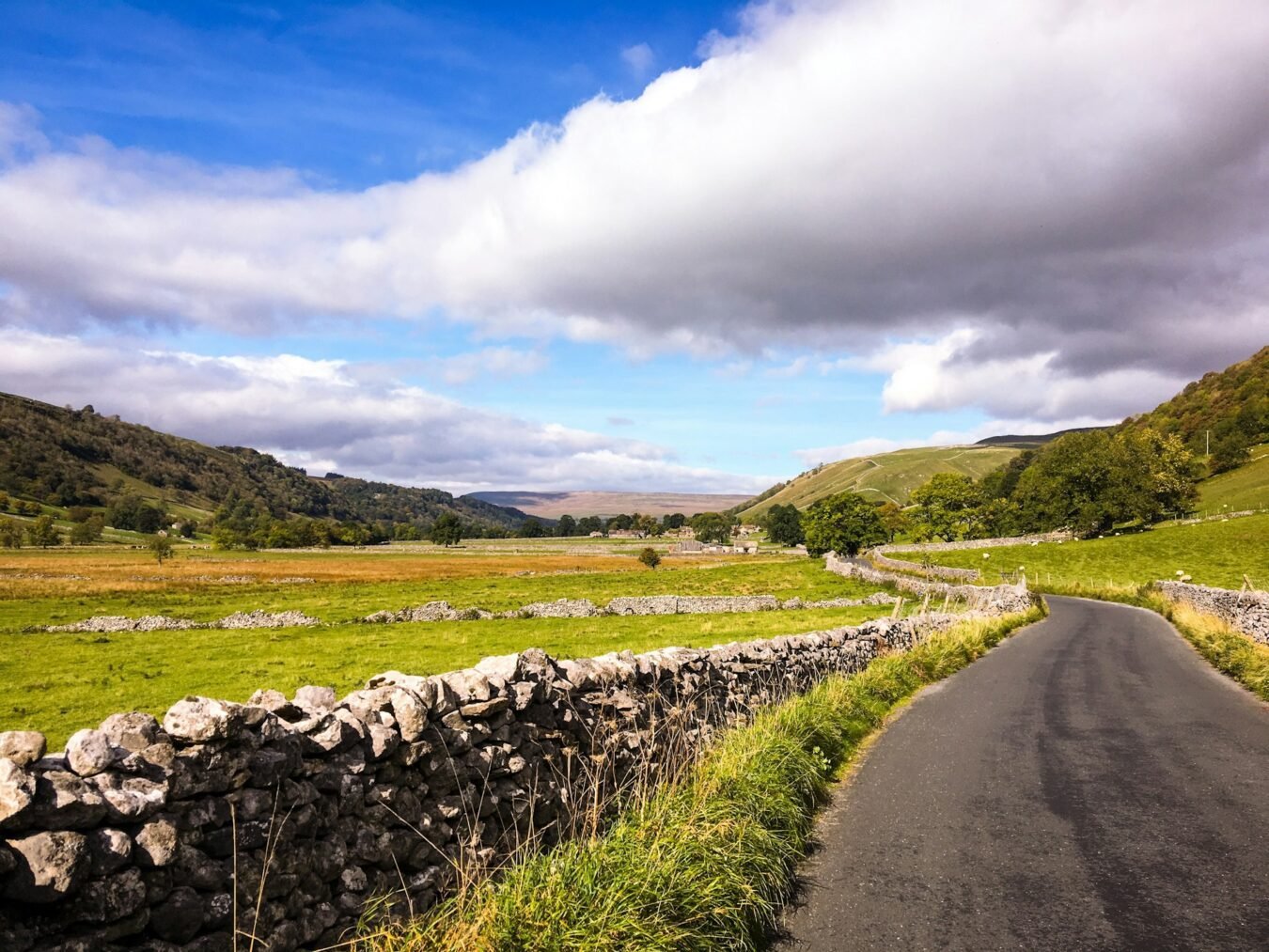
Letting a holiday property means knowing more than just what’s happening inside the home. Where it sits and what surrounds it adds just as much value, especially when we’re talking about scenic areas. As spring nears and daylight stretches out again, travellers begin eyeing outdoor stays. In Yorkshire, loads of people search for getaways near natural walking paths, hillsides, and quiet spots that feel like an escape.
This is why natural attractions in Yorkshire can shape how we set up and manage a holiday let. They change how people use the property, what they expect nearby, and even how busy we get. When we think ahead to how these spaces are used, especially as spring starts to wake things up, we can plan smarter for both bookings and upkeep.
Staying Ahead of Seasonal Visitor Patterns
By March, visits to countryside paths, nature parks, and open-air walking routes slowly start picking up again. The transition out of winter doesn’t just affect the trees and light. It changes activity around your property, too, sometimes by quite a bit.
- Paths and parking areas near moors or public footpaths start to get more traffic as the weather improves and school holidays approach.
- We often notice more walkers, ramblers, and families showing up around well-known open-air spots in early spring, even before full greenery returns.
- The change in use often means earlier maintenance is needed, things like worn driveways, damaged fences, or bin areas that fill up quicker once foot traffic returns.
When we keep tabs on how nearby areas are affected by time of year, we stop problems from creeping up. We also get a better sense of what people expect from their stay. Whether that’s quiet seclusion or proximity to busy walking routes, knowing how public areas shift in popularity gives us a little more lead time when planning. It helps us prepare cleaning schedules, arrange for extra bin collections, and adjust parking areas as needed to stay ahead of the curve.
Letting Property Near Outdoor Areas Without Added Fuss
There’s a lot to enjoy about managing a property near nature trails, bridleways, or woodland edges. People often seek out these types of lets for a bit of peace. But with that peace can come a few added details that are easy to overlook until they start nudging your calendar.
- Outdoor areas draw a range of visitors, and some of them add subtle wear, trampled grass, muddy paths, or more bins filling after a warm weekend.
- Clear signage matters more than we think. People arriving late or with kids in tow need to understand where their space ends and shared paths begin.
- Gaps in fencing or unclear lines between garden and field can turn into a point of confusion (or even complaints), especially if the area is popular with dog owners.
It’s not about discouraging nature lovers. It’s about making sure expectations and setups match before a booking ever begins. That way, guests aren’t surprised, and we’re not rushing to fix problems mid-stay. We might add a note in our welcome folder pointing out local walks or how to reach public access points safely, so everyone knows what to expect as soon as they arrive.
Preparing Properties for Guests Drawn to the Outdoors
When people book a property near a popular natural attraction, they tend to pack differently. Some bring walking gear. Some travel as a group of cyclists. And some are after a quiet rural stay with the family dog. The one thing most will have in common is that they’ll make use of the outdoors.
- Having a space to dry muddy boots or rain jackets is more useful than guests might realise, until they need it and can’t find one.
- Every property doesn’t need a big utility room, just a few smart touches. Hooks near doors, somewhere off the carpet to leave wet shoes, and maybe a small outdoor bench for removing gear are all helpful.
- Families or groups that come for walking trips often want a mix of social space and personal room. If the layout can flex a bit, like in open lounges or twin rooms, bookings can match more kinds of guest.
Even small details like this show that we’ve thought through the kind of trip someone is on. That makes it easier for people to feel settled, even on short breaks. When we plan for these needs ahead of time, guests can instantly see that the home suits their outdoor activities, whether that means a coat rack at the back door or sheltered bike storage next to the porch.
Coordinating Turnovers Around Outdoor Use
Turning over a property that’s been used after a quiet book-reading retreat is not the same as one used for weekend walks and time outdoors. Each type of stay leaves behind different signs, some more noticeable than others.
- When outdoor activities are popular nearby, floors may be marked more often, showers used more frequently, or outdoor spaces fiddled with.
- Having timely cleaning help and minor repair support becomes nearly non-negotiable in spring and summer, especially when bookings are tight.
- Yorkshire’s weather still has its wet moments in March and April, so scheduling time for drying damp gear or airing out living areas helps. Skipping that step can cause odd smells or slow the cleaners down.
If we don’t allow for things like towel changes, wet grounds, or wiped-down outdoor furniture, we risk falling behind. Giving ourselves that extra cushion makes handovers smoother. Tracking these needs and communicating with cleaning crews means we’re better prepared, especially as bookings stretch into back-to-back weekends.
Keeping Letting Properties Ready Near Yorkshire’s Best Views
Managing a let near any of the well-known natural attractions in Yorkshire means keeping a closer eye on how the seasons affect not just the booking demands, but the property itself. Things shift fast just as spring starts, whether it’s new kinds of guests, problems to solve, or extra traffic through the garden gate.
When we understand how that visitor pattern links to what’s happening around the property, it becomes easier to plan ahead. We avoid rushed repairs, last-minute layout swaps, and gaps in cleaning support. Instead, things feel more under control, and guests get a consistent experience.
It’s that forward look in early spring that makes the difference between running to catch up versus coasting steadily through the season. Properties near scenic walking routes and open-air spaces are popular for good reason, and they work even better when we give them the attention their setting calls for.
Many of our properties benefit from being close to walking trails, parks, and peaceful countryside, and at Kist Accommodates, we shape layout choices, turnover planning, and preparation to make the most of these local features. Several of our rural Yorkshire properties welcome dogs and offer self check-in, free Wi-Fi, and well-equipped kitchens so guests can return from the outdoors and settle in, whatever the weather. We know that being near popular spots attracts a wider range of guests, and even small adjustments can have a significant impact. To find out how we create successful setups around natural attractions in Yorkshire, get in touch and we’ll help you plan what works best.
